The key point
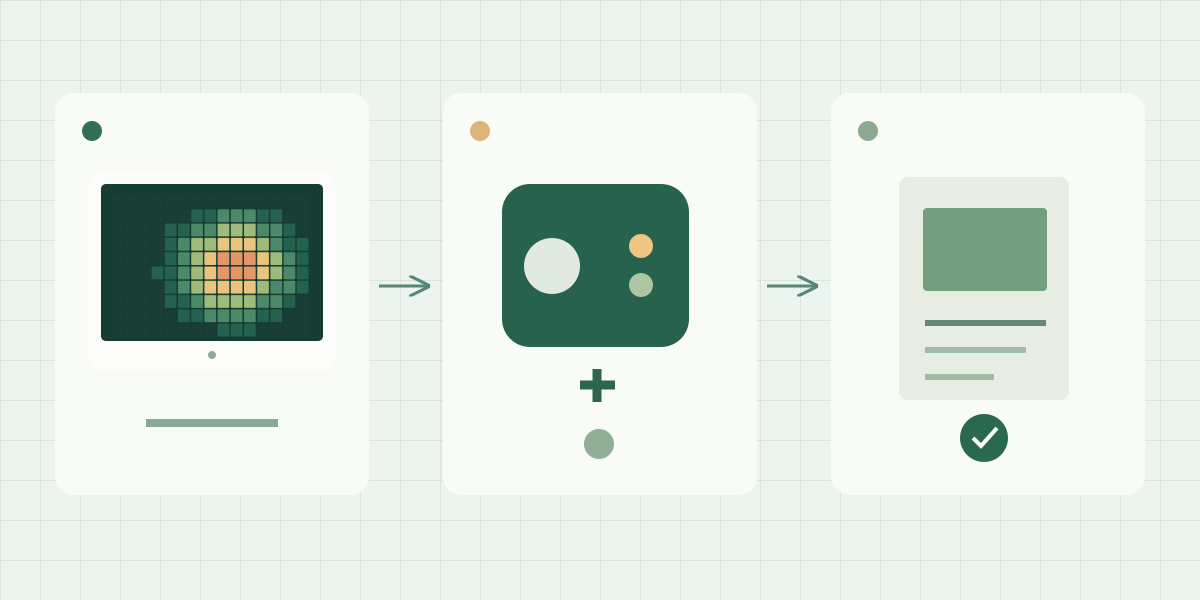
Start with your own deliverable, then use examples to identify what to test. A clip from another team can reveal a useful workflow without proving that a quoted camera can deliver it on your aircraft.
Pick the decision you need to make
If you are buying a camera, an industry example is useful when it helps you decide what to request or test. This guide connects common purchase questions to practical worksheets and worked examples in the blog.
| Your situation | Decision to make | Useful output from the guide |
|---|---|---|
| You own a drone and want thermal imaging | Retrofit a payload or buy a complete system | A shortlist and an installed-cost brief |
| You must deliver an inspection report | Which files and software the contract requires | A sample-file acceptance result |
| You are integrating a new gimbal | Whether mechanics, power and data paths work | A documented integration checklist |
| You need detail at a given distance | Which lens and resolution suit the target | A pixels-on-target estimate |
| You manage a repeat inspection | How another team will locate and review findings | A consistent observation and handover record |
For a buyer: compare the installed system
Begin with the retrofit-versus-complete-system guide. Identify the required output and eliminate options without a credible integration or reporting path. Then ask suppliers for the same included-hardware, software and acceptance breakdown.
For an engineer: prove the interfaces and the target detail
Use the integration gates to separate a physical connector from an implemented function. Calculate expected target pixels before the demonstration, then keep original files that show the result through the intended receiving system.
For an inspection team: test the report before the full job
Approve a sample finding with the client, open an original thermal file in the intended software and verify that the maintenance team can locate the referenced asset. This exposes missing metadata and incompatible export formats while they are still cheap to fix.
What public examples can tell you
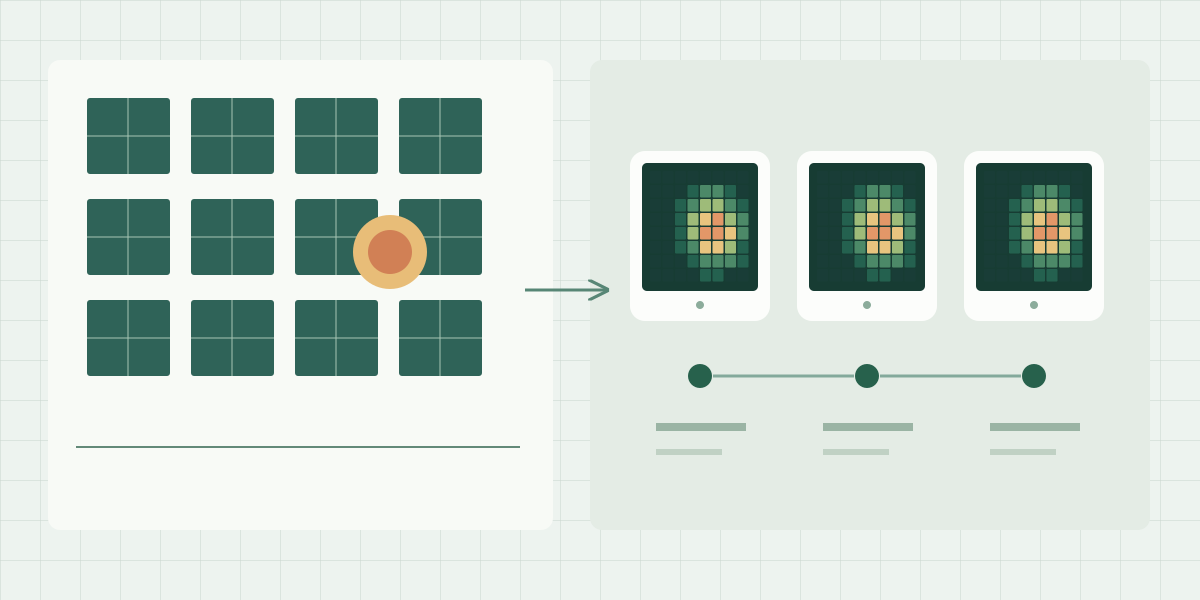
The September 2026 sources linked below illustrate three needs: repeat observation, operator training and retaining inspection conditions. They concern different equipment and teams. Use them to identify requirements; ask the supplier to demonstrate those requirements on the proposed configuration.
The linked articles keep source attribution separate from their proposed checklists. Published demonstrations and conceptual illustrations are not independent tests of this catalog. Native detector, lens, weight and measurement qualifications come from the specific product documentation.
Finish with a purchase record
Keep a single decision sheet containing the required deliverable, exact quoted configuration, total installed cost, sample-file result, operator demonstration result and unresolved items. Assign an owner and due date to each unresolved item before accepting delivery.
That record makes the choice defensible: you can explain which candidate met the work requirement, what evidence supports it and what the team still needs to complete.
Sources & further reading
Match the payload to your requirements.
Compare documented specifications, then confirm the details of your integration.