The key point
A repeat observation is useful only if the next team can find the same asset, understand the conditions and identify what changed. Build the handover record before choosing the camera or software.
The problem is the handover between observations
After an incident, an asset manager or authorised monitoring team may receive a sequence of thermal images taken by different operators. A bright region in a new image is difficult to interpret when the previous image has no location, capture settings or operating context.
This guide covers documentation and equipment evaluation. Flight access, exclusion areas, monitoring frequency and escalation thresholds belong to the responsible incident or site authority. Agree those separately; a thermal image does not establish that an area is safe.
Give each observation a stable identity
Choose an asset or scene reference that another operator can find. Keep a visible overview with the thermal observation, identify the region of interest and use a stable record ID across repeat captures. A useful folder name alone is insufficient if several operators rename or export files differently.
| Field | Record at each visit | Use in the handover |
|---|---|---|
| Observation identity | Record ID, site/asset and marked region of interest | Links new captures to the same location |
| Capture details | Time and time zone, camera/lens, position and view | Explains whether the views can be compared |
| Conditions | Relevant weather, asset state and measurement settings | Identifies changes unrelated to the asset |
| Evidence | Thermal original, visible reference and analysis output | Allows a second person to review the observation |
| Review and handover | What changed, what is uncertain, next owner and agreed action | Prevents an unresolved observation being lost between shifts |
Compare values and context, not just colours
Automatic image scaling can make a later scene look more or less dramatic without a comparable change in temperature. Where a measurement trend is required, use the supported data and comparable settings, and retain the original files. Document changed viewpoint, weather or asset state.
If conditions differ substantially, label the records as not directly comparable. A gap in the record is better than an unsupported trend. Do not infer absence of a hazard from a cooler-looking picture or limited surface view.
Use a handover that separates observation from decision
A useful handover says which location was observed, what evidence was captured, whether comparison was possible and who owns the next review. For example: “Observation C: same asset reference; viewpoint changed; image appearance differs but no comparable temperature trend established; assigned to the site review team.” This is an illustrative record, not an incident result.
Use the escalation and access procedures agreed by the responsible authority. The camera-selection question is whether the equipment can supply the records those procedures require, including timestamps, retrievable originals and the needed locating information.
What the Sunbank reports establish
A Summerside Police Services update dated September 9, 2026 described the Sunbank Solar Farm response moving toward enhanced monitoring, including thermal observations. An MBS News report on the same date described drone-based thermal checks. These reports supply the use-case context.
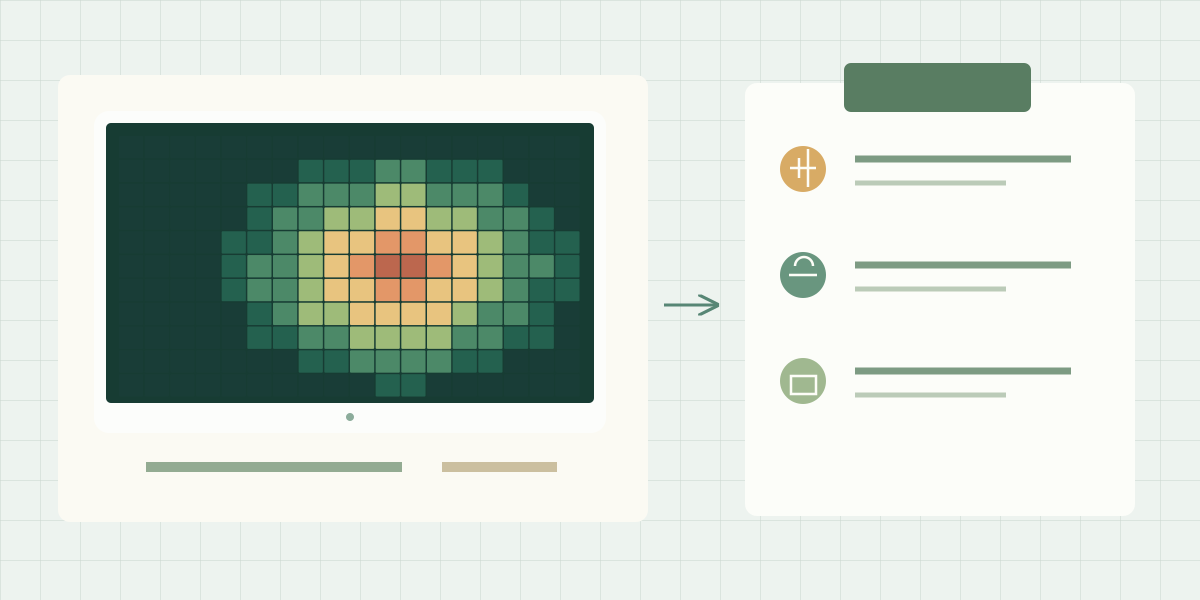
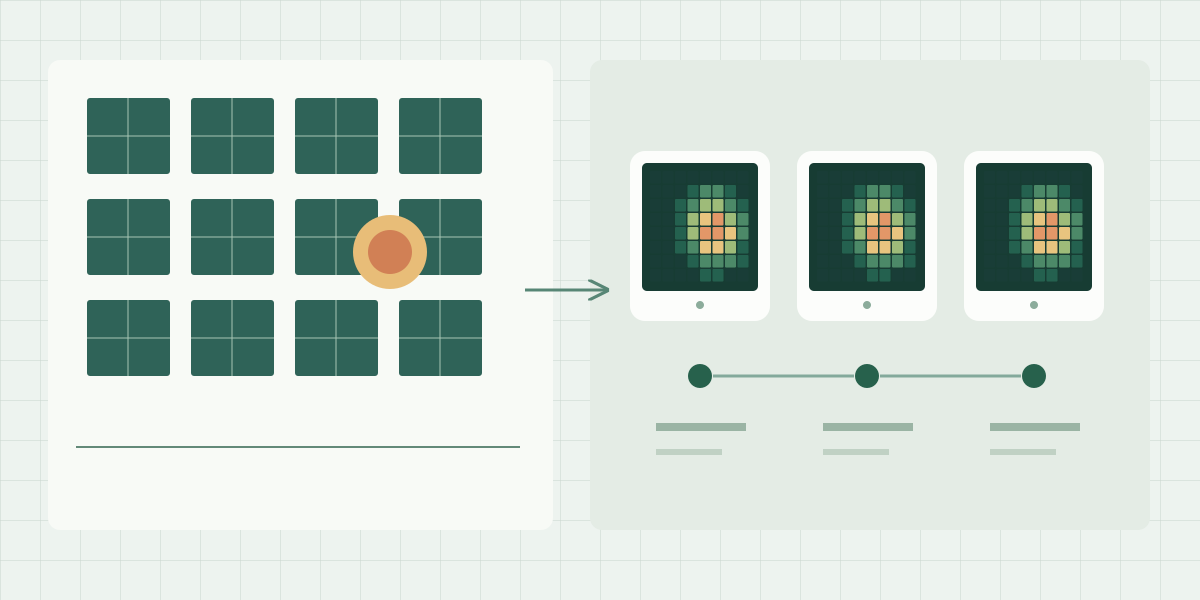
They do not identify a validated catalog payload, measurement accuracy or file export format. The illustration on this page is conceptual. The log above is a proposed documentation workflow, not a reconstruction of incident measurements.
Evaluate the workflow before ordering the payload
Ask for a short sequence of representative observations from the proposed setup. Have a second operator locate the scene and reopen the files without help from the person who captured them. Check timestamp behaviour, file retrieval, visible/thermal association and any required geolocation.
If later temperature analysis is part of the requirement, perform the radiometric file test. If only a live visual record is required, document that simpler scope so a purchasing team does not accidentally assume measurement data is included.
Original source
View the original post and its available photos or video. Media stays hosted by X.
The original post could not load. Use the source link above.
Loading the embedded post connects your browser to X. You can read the article without loading it.
Sources & further reading
Match the payload to your requirements.
Compare documented specifications, then confirm the details of your integration.